Compare Local Contractors for Livestock Fencing Installation
Compare local contractors for livestock fencing installation to clarify scope, verify experience, and set clear expectations for a successful project.
Livestock fencing installation involves constructing barriers designed to contain and manage farm animals across a variety of property types. These projects typically include selecting appropriate fencing materials, such as wood, wire, or vinyl, and installing posts, gates, and other components to create secure enclosures. The scope of work can vary based on the size of the property, the type of livestock, and specific needs like perimeter fencing or interior divisions. Clear communication about the desired fencing layout and features helps ensure that the work aligns with property owners’ goals and provides effective containment.
Defining the scope of a livestock fencing project is essential for setting realistic expectations and avoiding misunderstandings. Property owners should outline key details such as the total length of fencing, preferred materials, gate placements, and any special features like barb wire or electric fencing. Documenting these requirements in writing can serve as a reference point throughout the project, helping to ensure that the chosen service provider understands the work involved and can deliver the expected results. A well-defined scope also facilitates more accurate comparisons between contractors by highlighting their experience, approach, and the solutions they propose.
When evaluating local contractors for livestock fencing installation, property owners should consider how each service provider’s experience aligns with the specific needs of the project. It’s helpful to review their previous work, ask about their familiarity with different fencing materials, and verify their understanding of local property conditions. Comparing multiple contractors involves assessing their communication, willingness to clarify scope details, and ability to provide a comprehensive plan in writing. This process helps property owners identify professionals who are capable of meeting their fencing requirements and ensures that expectations are clearly established before work begins.
Compare local contractors by outlining your project priorities, verifying experience, and clearly defining scope and expectations in writing.
- Compare Service Providers - Review local contractors’ experience and service offerings to find suitable options.
- Define Project Scope - Clearly outline fencing requirements and expectations before engaging contractors.
- Verify Experience - Ensure contractors have relevant experience with livestock fencing installations.
- Get Written Agreements - Confirm all project details and expectations are documented in a formal agreement.
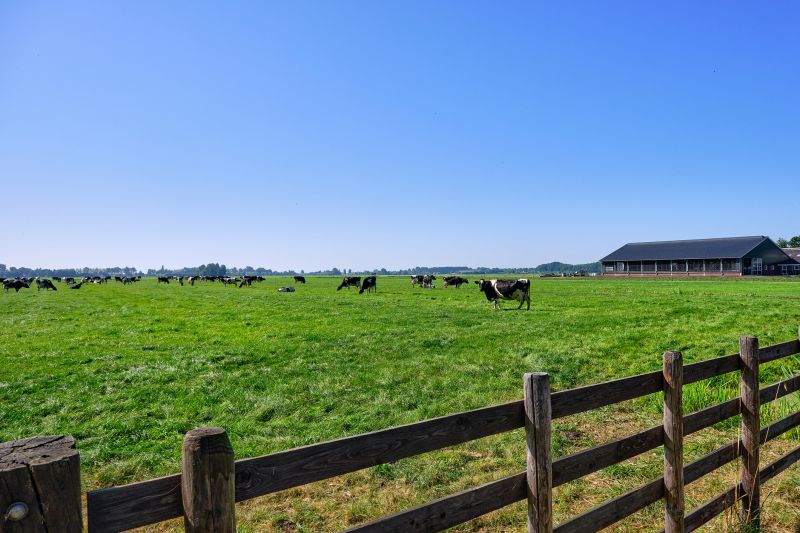
Clearly describe your livestock fencing project and compare local contractors based on their experience and scope of work.
- Verify the experience of local contractors in livestock fencing installation to ensure familiarity with different fencing types and materials. - Review the scope of work to clearly define the fencing boundaries, materials, and any additional features needed.
- Compare multiple service providers to assess their expertise, reputation, and the quality of previous fencing projects. - Ensure that contractors understand the specific requirements for livestock containment and safety standards.
- Request detailed written estimates that outline the scope of work, materials, and any applicable warranties or guarantees. - Clarify expectations about installation procedures and the level of craftsmanship involved.
- Check that service providers have appropriate equipment and resources to complete the fencing installation efficiently and effectively. - Confirm that they follow proper installation techniques to ensure durability and livestock safety.
- Discuss project timelines and milestones to establish clear expectations for the installation process. - Ensure all project details are documented to prevent misunderstandings or scope creep.
Compare local contractors’ experience and clarify project scope to ensure successful livestock fencing installation.
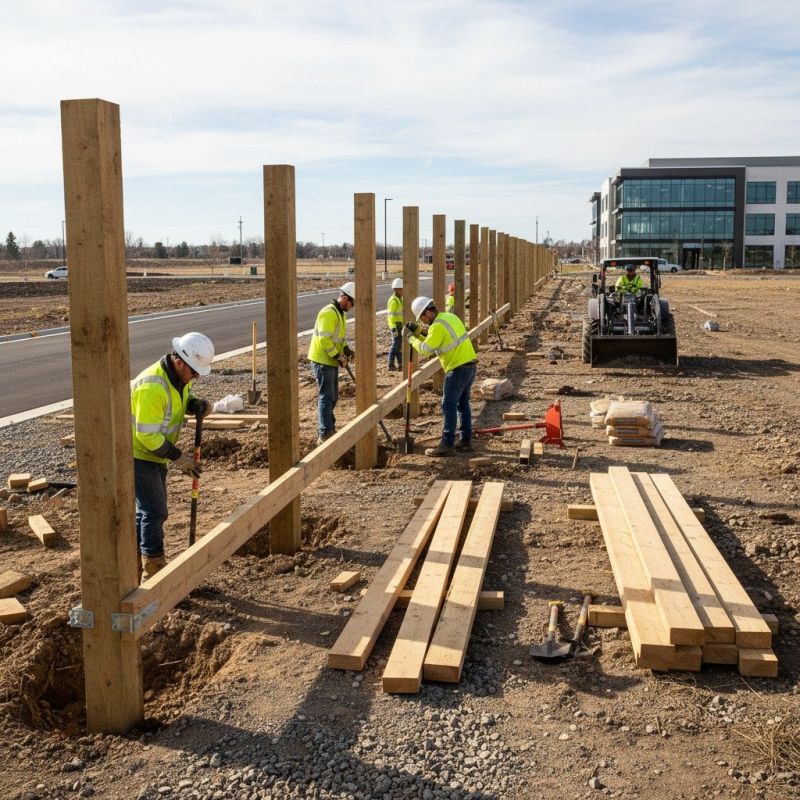
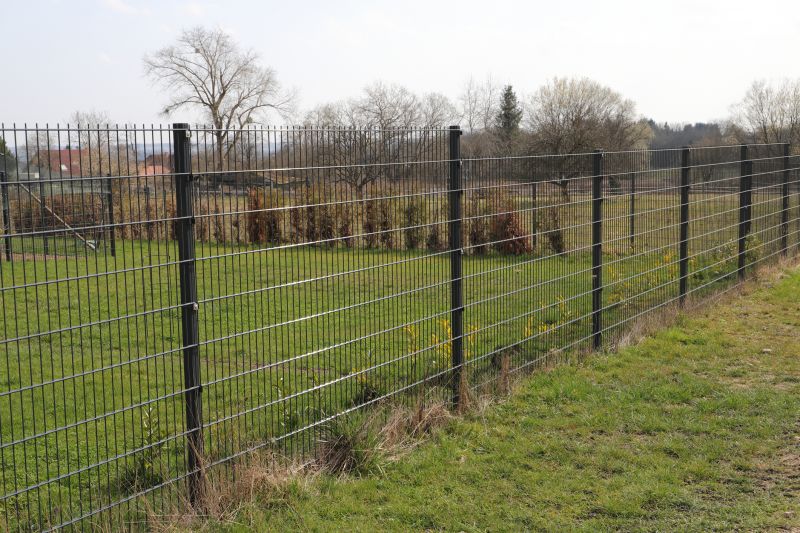
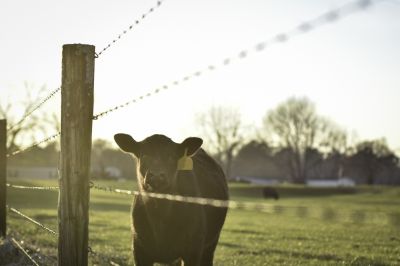
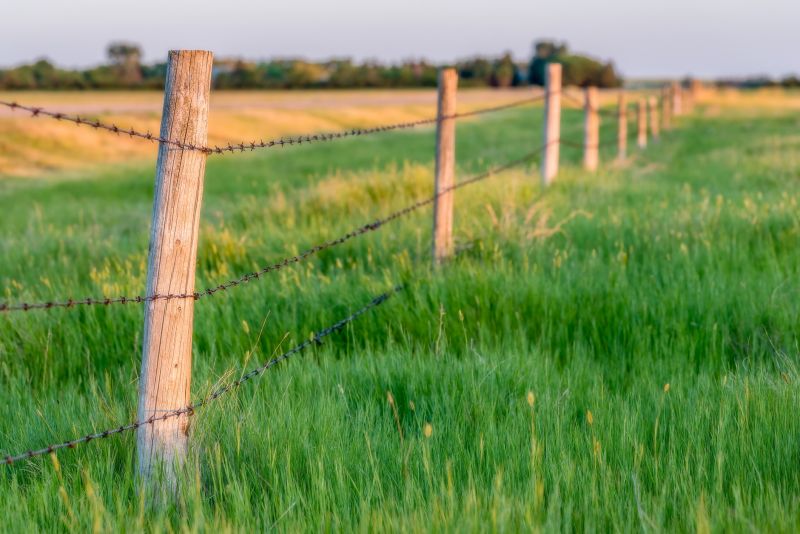
This section helps you compare livestock fencing installation contractors by defining scope, verifying experience, and setting clear expectations.
- Project Scope - Clearly define the size, type, and specific requirements for the livestock fencing to be installed.
- Material Specifications - Identify the fencing materials desired, such as wire, wood, or vinyl, and any relevant quality standards.
- Site Conditions - Assess and document the terrain, soil type, and accessibility of the installation site.
- Experience and References - Verify the experience of local contractors with livestock fencing projects and review references or past work.
- Written Agreement - Ensure all project details, expectations, and scope are documented in a formal written agreement.
When comparing contractors for livestock fencing installation, it is important to evaluate their experience with similar projects. Seek out service providers who have a proven track record of completing fencing installations in agricultural or rural settings, especially those that involve livestock containment. Understanding a contractor’s background with similar fencing materials, terrain types, and project sizes can help determine their familiarity with the specific challenges and requirements of livestock fencing, ensuring that the job is handled competently and efficiently.
A clear, written scope of work is essential when assessing potential service providers. This document should outline the specific tasks to be performed, the types of fencing materials to be used, and any site-specific considerations. Having a detailed scope helps prevent misunderstandings and sets clear expectations for the project. When comparing options, look for contractors who provide comprehensive written proposals that specify the work involved, rather than vague descriptions or verbal commitments, to ensure alignment on project goals and deliverables.
Verification of a contractor’s experience can be supported by requesting references or examples of past livestock fencing projects. While formal licensing or certification may not be necessary, understanding a contractor’s history of completed projects can provide insight into their reliability and skill level. It is also useful to inquire about the types of challenges they have encountered and how they addressed them, which can indicate their problem-solving abilities and practical knowledge in livestock fencing installation.
Evaluating options without focusing on prices involves examining the quality of communication, the thoroughness of proposals, and the professionalism demonstrated by each service provider. Pay attention to how well they understand the project scope, whether they ask relevant questions about the site and livestock needs, and if they provide detailed, written plans. Comparing these aspects can help identify service providers who are well-prepared and capable of delivering a successful fencing project, ensuring that the chosen contractor aligns with the specific requirements of the site and livestock operation.
Ask contractors to provide written scope details to ensure clear expectations and consistent project understanding.
- **Experience and Expertise** - What specific experience do the local contractors have with livestock fencing installation?
- **Scope of Work** - How do contractors define the scope of the fencing project to ensure all needs are covered?
- **Materials and Techniques** - What types of fencing materials and installation methods do the service providers recommend?
- **Project Expectations** - How do contractors clarify project expectations and deliverables in writing before starting work?
- **Comparison Factors** - What criteria should be used to compare different local contractors’ qualifications and approaches?
How can I compare livestock fencing installation contractors? Reviewing credentials, experience, and customer feedback can help identify reputable service providers in the area.
What should I consider when defining the scope of my fencing project? Clearly outlining the fencing length, material preferences, and any special features ensures contractors understand the project requirements.
How do I verify a contractor’s experience with livestock fencing? Asking for examples of completed projects and references can provide insight into their expertise and work quality.
Why is it important to have the project details in writing? Documenting scope, materials, and expectations helps prevent misunderstandings and provides a clear basis for project completion.
What questions should I ask contractors during the selection process? Inquire about their experience, methods, materials used, and how they handle potential challenges on livestock fencing jobs.
How can I ensure the contractor understands my fencing needs? Providing detailed descriptions and confirming that all project aspects are documented can help align expectations and outcomes.
This page has provided an overview of key considerations when selecting contractors for livestock fencing installation. Visitors have learned the importance of clearly defining the scope of work, verifying the experience of potential service providers, and establishing written agreements to set clear expectations. Comparing local contractors helps ensure that the project aligns with specific needs and preferences, making it easier to find a suitable partner for the job.
To move forward, use the quote form to connect with local service providers who can handle livestock fencing installation. This tool makes it simple to compare options and gather information, supporting informed decisions when choosing a contractor. Taking the time to evaluate local contractors can help ensure the project is managed efficiently and meets individual requirements.